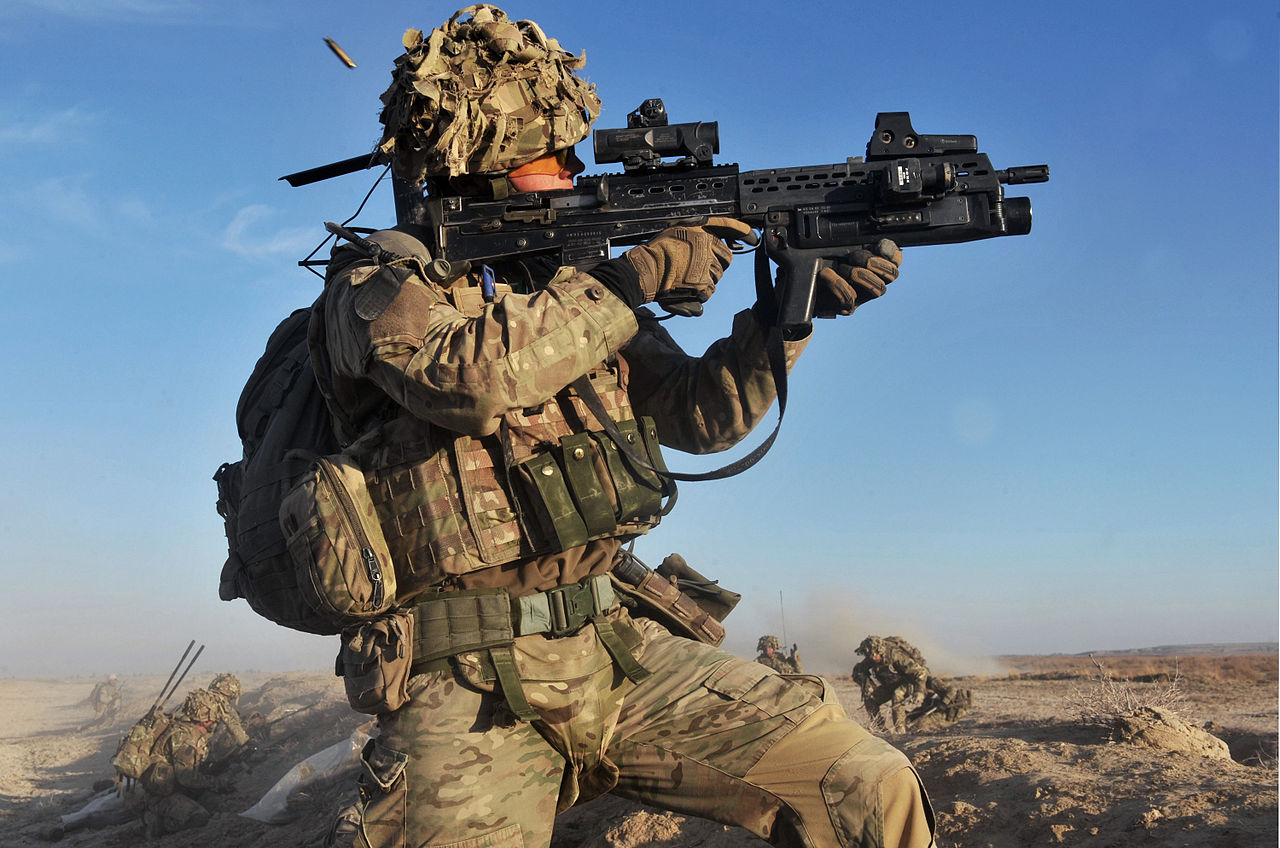
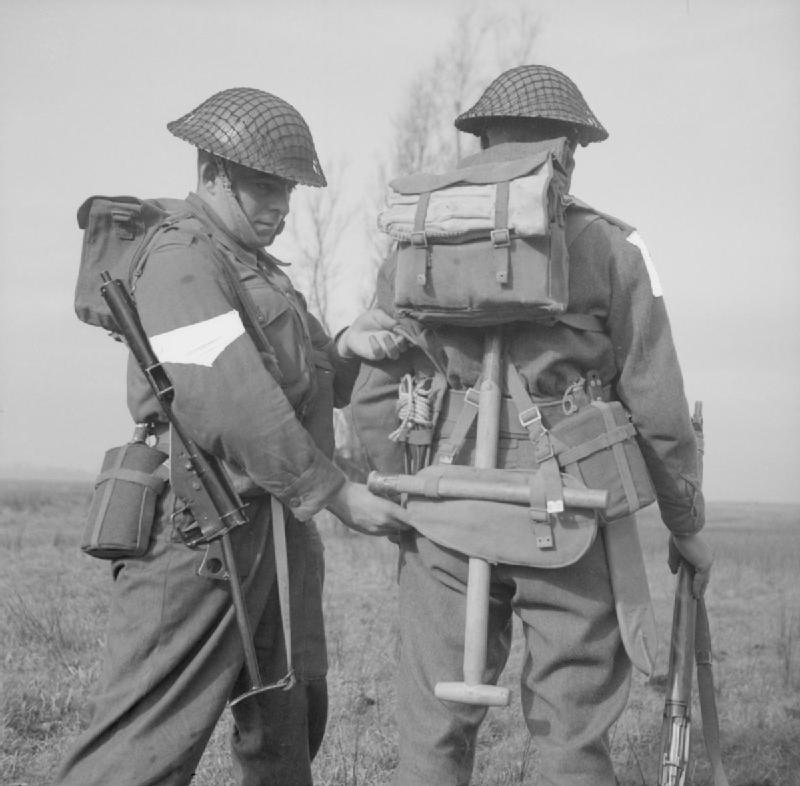
Over the last eight decades, the British military kit has undergone a remarkable transformation. From the wool-clad infantrymen of World War II to today’s tech-enabled, modular-equipped operators, the evolution of British military equipment reflects not just changing technology-but also changing warfare, environments, and soldier expectations.

1940s – WWII: Webbing, Wool, and Weight

At the height of the Second World War, British soldiers were issued the 1937 Pattern Webbing, a canvas-based system consisting of pouches, a belt, and shoulder straps. The focus was on: carry ammunition, a water bottle, rations, and a gas mask. Uniforms were made from heavy wool serge-durable but uncomfortable, particularly in warm or wet environments.

Helmets were steel Brodies, and boots were leather with hobnails. The kit was standardised, minimal, and relied heavily on soldier resilience rather than ergonomic design. There was little room for personalisation, and soldiers frequently modified their gear for comfort and practicality on the battlefield.

1950s-60s – Post-War & Colonial Conflicts

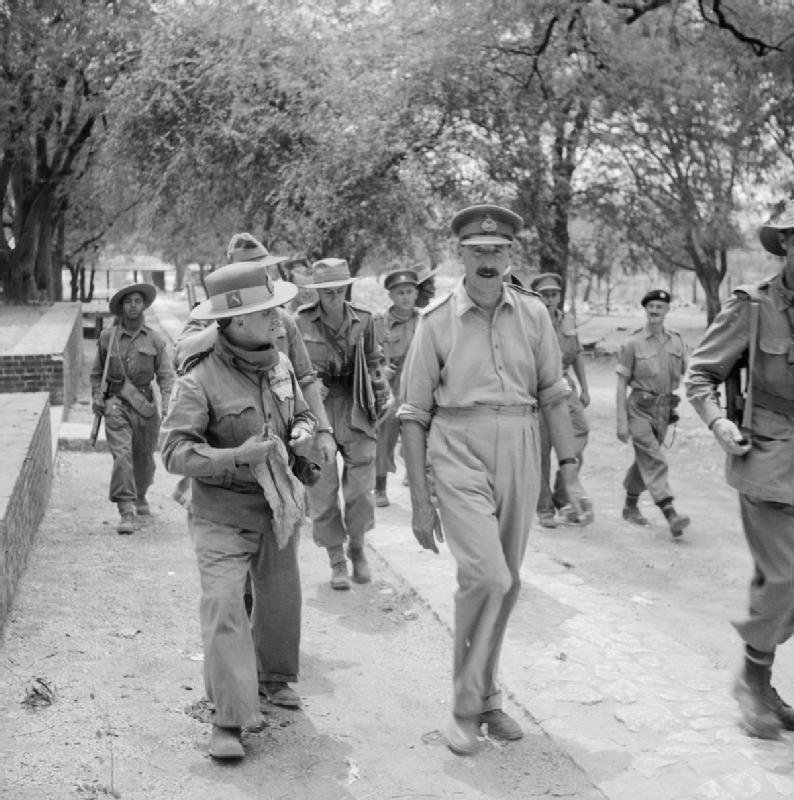
Following the war, as Britain engaged in campaigns across Asia, Africa, and the Middle East, the limitations of wartime kit became clear. In jungle environments like Malaya and Borneo, heavy wool and canvas were liabilities. The introduction of lighter materials and tropical uniforms began during these decades, along with more breathable webbing for hot climates.

The British Army introduced the 44 Pattern Webbing-developed during the Burma Campaign-featuring a more practical design for jungle warfare. Though not widely adopted, it influenced future load carriage systems.

1960s-80s – The Cold War Era and the 1958 Pattern

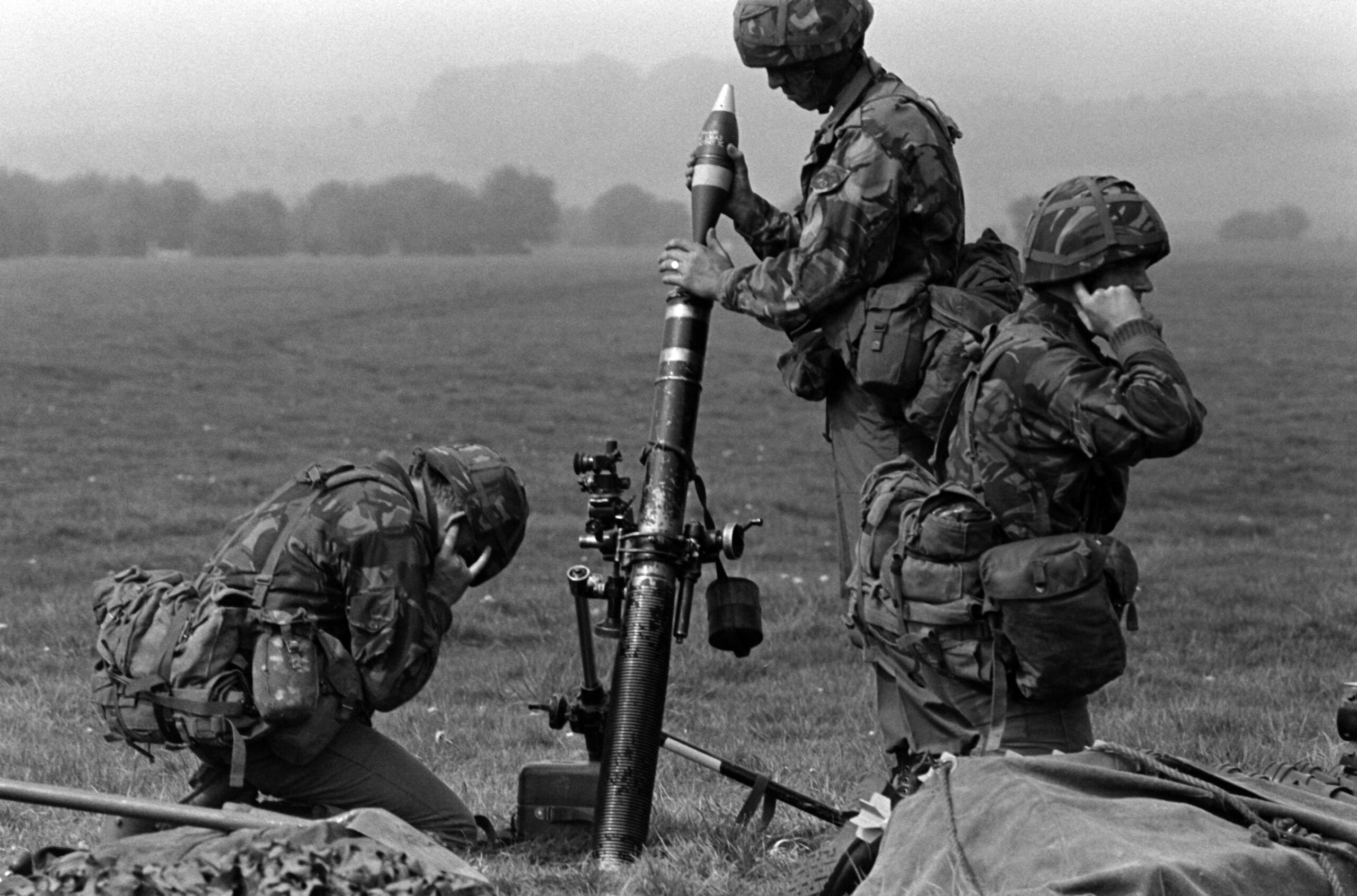
In 1958, the British Army issued the 58 Pattern Webbing, a more robust and user-friendly system made of pre-shrunk canvas. It featured ammunition pouches, a water bottle holder, and kidney pouches, all fixed to a belt with yoke straps.

Soldiers in Northern Ireland, the Falklands, and the Gulf used variations of this kit. However, the canvas still suffered in wet climates, and customisation remained limited. Troops often “Gucci’d” their kit by cutting, sewing, and adapting it in the field-a practice that laid the groundwork for the soldier-led gear innovation we see today.

Combat boots became more refined, with improvements in ankle support and tread, and steel helmets were gradually phased out in favour of more ergonomic designs.

1990s-2000s – PLCE, Bosnia, and Iraq

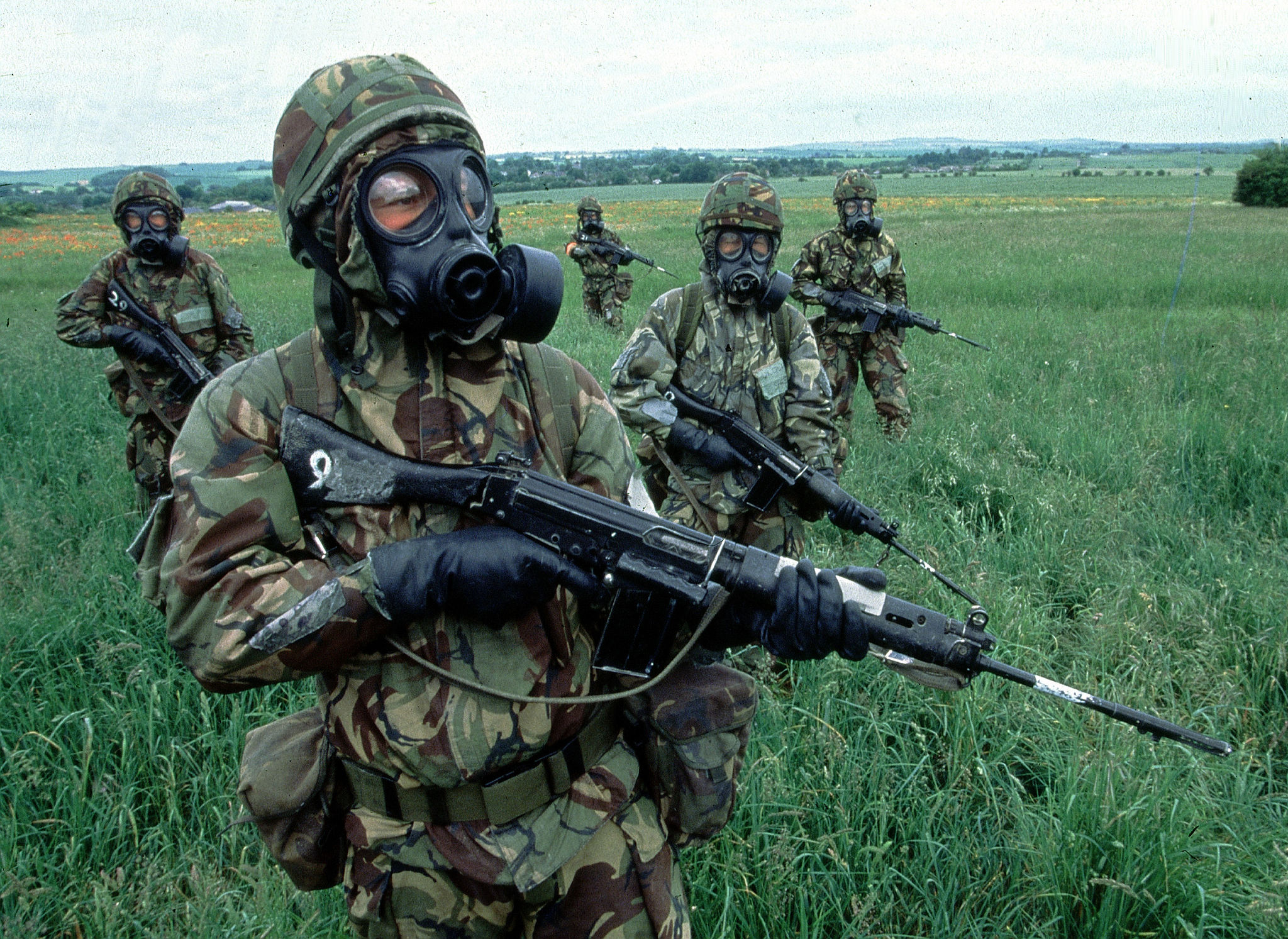
The 1990s saw a leap forward with the introduction of PLCE (Personal Load Carrying Equipment). Made from heavy-duty nylon, PLCE was more weather-resistant and durable than anything before. It allowed for modular attachments and better load distribution, especially when combined with Bergen rucksacks for long-range patrols.

This era also introduced the Combat Soldier 95 (CS95) uniform system-a massive improvement in terms of material, comfort, and camouflage. With conflicts in Bosnia, Sierra Leone, and the early stages of the Iraq War, soldiers needed kit that could withstand diverse climates and missions.

Helmet upgrades also arrived, with the Mk6 composite helmet replacing steel, and body armour began to be more widely issued, especially after the first Gulf War.

2000s-2010s – Afghanistan, Iraq, and UORs

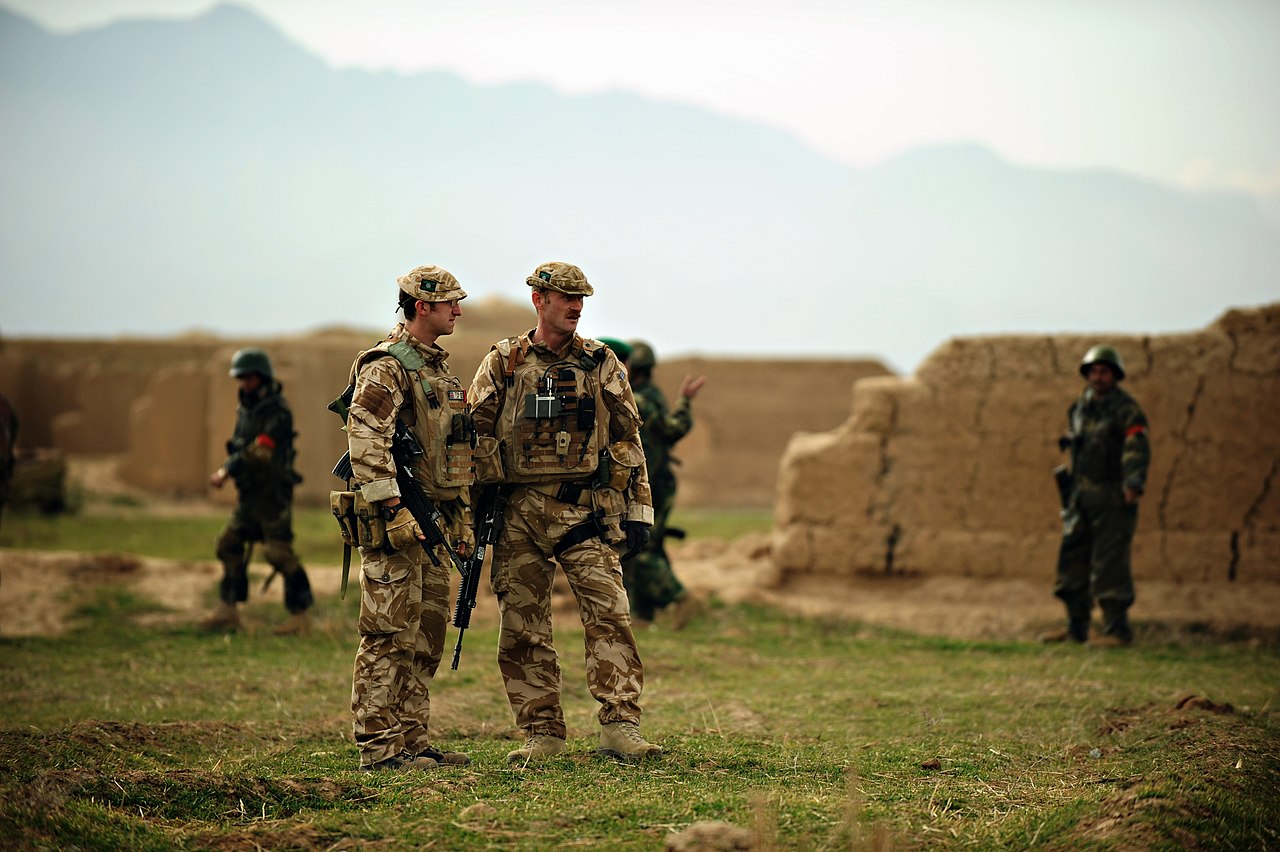
The protracted campaigns in Iraq and Afghanistan were major drivers of innovation. Operational feedback from soldiers on the ground led to Urgent Operational Requirements (UORs)-rapid development and procurement of better gear.

Key innovations included:

  • Osprey Body Armour with removable ballistic plates
  • MTP (Multi-Terrain Pattern) camouflage replacing woodland and desert DPM
  • Adoption of MOLLE-compatible systems that allowed troops to customise pouches and loadout
  • Improved boots and clothing suitable for arid environments
  • Integration of hydration systems, personal med kits, and tactical lighting

British troops began using gear from private manufacturers like Dragon Supplies, especially among special forces and infantry units who demanded performance over standard issue.

Why You Need Military Kit Insurance
Military Kit Guide

2010s-Present – The Future Soldier

The modern British soldier carries a high degree of capability in a compact, modular format. Current standard kit includes:

  • Virtus body armour and helmet system – lighter, better fitting, and designed to reduce injury from blast shock
  • Osprey Assault Vest or custom MOLLE vests
  • Advanced Combat Clothing System with moisture-wicking and flame-resistant properties
  • Integrated headsets, night vision, and digital communications gear
  • Personal Role Radios, GPS units, and digital targeting devices
  • Lightweight boots tailored for various operational environments

Modern kit is focused on mobility, protection, and adaptability. Soldiers now operate in digitally connected units, and their gear reflects the need to interface with technology while remaining agile in the field.

Looking Ahead – Smart Kit and Soldier Systems

As the British Army pushes into its Future Soldier programme, kit is expected to evolve again:

  • Wearable tech to monitor vital signs and environmental data
  • Data-enabled helmets for improved situational awareness
  • Energy-harvesting fabrics and self-healing materials
  • Greater integration with drones and autonomous platforms
  • Lighter, more durable, and customisable personal equipment

Conclusion

The story of British military kit is one of constant adaptation. From the trenches of Europe to the deserts of Helmand, each generation of soldiers has influenced the design and functionality of their gear. Today’s kit is not just about carrying tools-it’s about enhancing the warfighter’s performance, safety, and situational awareness.

ANNOUNCEMENT:

Absolute Military Partners with Dragon Supplies – Exclusive Discount Now Available

Absolute Military is proud to announce that we have partnered with Dragon Supplies, and all our Absolute Military Members now have access to a special discount.

This new partnership unlocks an exclusive cashback offer for all Absolute Military members, giving you access to Dragon Supplies premium kit and equipment at even better value.

Whether you’re upgrading your webbing, personalising your MOLLE setup, or equipping your team with specialist solutions, you can now benefit from Dragon Supplies’ legendary craftsmanship-at a reduced rate

“We’re excited to formalise this partnership and bring even more value to our community,” said Steve Anderson from Absolute Military. “Dragon Supplies kit and equipment is built by soldiers, for soldiers-and now it’s even more accessible.”

To take advantage of this discount, visit www.staging.absolutemilitary.co.uk/register to join our exclusive Membership scheme.Â